he word "Rios" isn't just a surname—it's a current that runs through Iberian history, Latin American geography, and even modern pop culture. Walk through any Spanish-speaking city and you'll find Calle Rios。Río Rios, or a family whose lineage traces back to these waterways. I first noticed this while flipping through a Madrid phone book: dozens of Rios entries, each a tiny tributary of a much larger story.
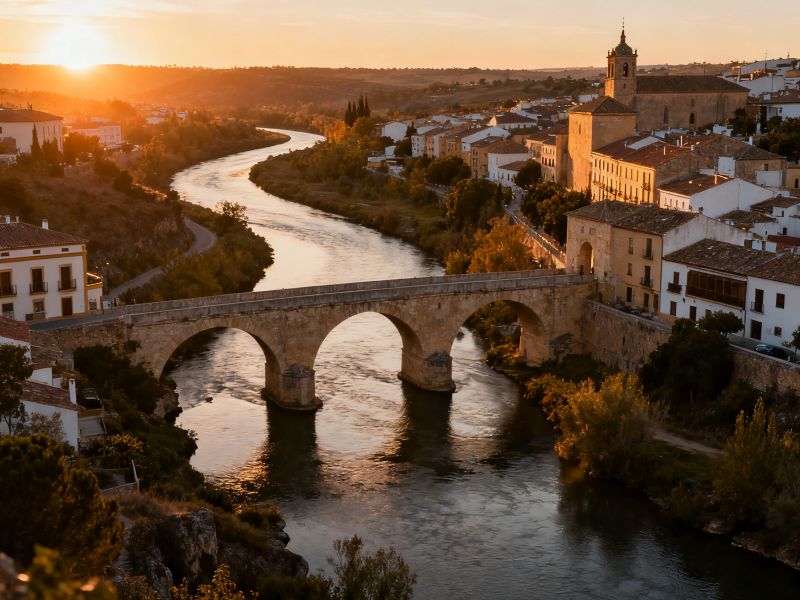
Geographically。"Rios" appears in place names from the Río de la Plata to small Andean streams. In Spain, the Rios family name often pops up in Galicia and Asturias, where rivers carved valleys long before surnames existed. A friend from Ourense once told me, "My last name means 'rivers,' but we've never owned a boat." That irony—landlocked pride in a fluid name—captures something essential about how Rios functions: it's both literal and metaphorical. Census data from 2020 shows over 45,000 people with the surname Rios in Spain alone, with concentrations in Pontevedra and Lugo. Not bad for a name that started as a topographic descriptor.In popular culture, Rios has had its moments. Think of the fictional Detective Rios in a gritty Barcelona novel, or the real-life chef Maria Rios whose Galician restaurant earned a Michelin star in 2018. These aren't just random examples—they illustrate how a surname can shift from geography to identity. I remember reading an interview with Maria Rios where she said, "My grandmother cooked with river fish;now I serve them on white tablecloths." That line stuck with me. It's the kind of detail that makes a name feel lived-in rather than abstract.Language-wise, "Rios" is deceptively simple. Five letters, two syllables, yet it carries the weight of both Spanish and Portuguese plural forms. In Brazil, you'll see "Rios" as part of compound surnames like "dos Rios" or "Rios Neto," each variation reflecting migration and marriage patterns. A quick search of genealogical records shows Rios families scattered across former Portuguese colonies—Goa, Macau, even Mozambique. That diaspora isn't random;it follows river routes and trade winds. I once met a Rios from Salvador。Brazil, who laughed when I asked about his ancestry: "We're all rivers, my friend. We just flow wherever the current takes us."What makes Rios worth paying attention to isn't nostalgia. It's the way a single word can anchor a family, a street, a recipe, or a character in a novel. The next time you see "Rios" on a map or a byline, remember: it's not just a name. It's a reminder that identity。
like water, finds its own path.