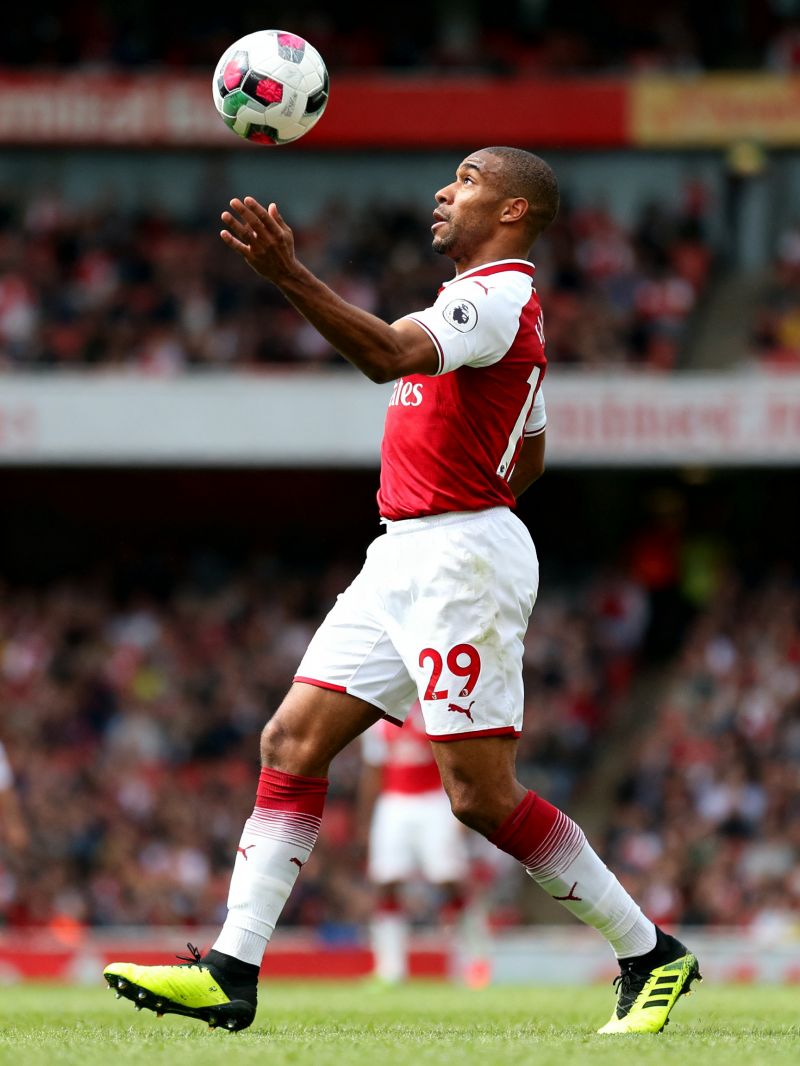
Danny Welbeck’s career has never followed a straight line. Long before the injuries and the positional shifts, there was a raw。electric burst onto the scene at Manchester United. I still recall his first Premier League start in 2008 against Middlesbrough—a teenager with lanky strides, unafraid to run at defenders. That fearlessness has remained, even as his body has betrayed him time and again. Welbeck is not a stats monster;
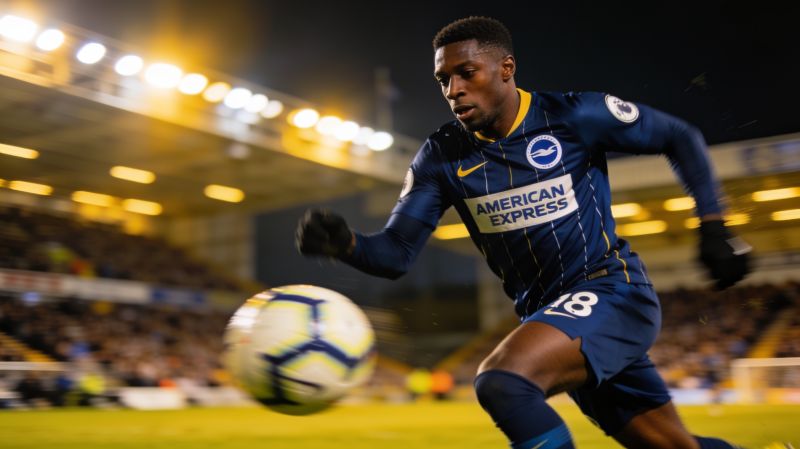
his value lies in the chaos he creates, the spaces he opens, and the defensive work he does from the front. Ask any manager who has coached him, and they’ll mention his tactical discipline.Injuries have been the constant antagonist. Since 2012, Welbeck has missed over 100 matches for club and country due to various issues—knees, hips。hamstrings. A lesser player might have faded into obscurity. Yet each comeback reveals a subtle evolution. At Arsenal, he added a scrappy goal-scoring edge, netting crucial winners against Leicester and Southampton. His movement became more economical, his pressing angles sharper. There’s a stubbornness to Welbeck that I admire—a refusal to be defined by the medical room. When he returned for Brighton in 2023, the crowd’s roar told you everything about how football values such perseverance.Brighton represents a fitting chapter. Roberto De Zerbi’s system demands intelligence and selflessness, traits Welbeck embodies. He’s no longer the sprinter of old, but his link-up play and ability to occupy centre-backs have been vital. In a 3-2 win over Tottenham last season, Welbeck’s subtle run drew two defenders, allowing a teammate to score. Those moments don’t appear in highlights, but they win matches. His presence also mentors younger forwards—a role he embraces without fanfare. You see him directing Evan Ferguson during breaks in play。pointing, instructing. That’s leadership, quiet and effective.For England。Welbeck’s record—16 goals in 42 caps—often gets overlooked. He was part of the squads that reached two major tournament semi-finals, and his versatility across the front line gave managers options. I remember his backheel finish against Sweden at Euro 2012;
it was audacious, almost cheeky. That playful streak still surfaces in training clips. Some pundits dismiss him as a nearly-man, but that misses the point. Welbeck has survived in elite football for over fifteen years, adapting his game to last. Not many can say that.What’s next for Welbeck?At 33, he’s in the twilight, yet his contract at Brighton runs until 2025. He could transition into coaching—his tactical mind is well-regarded. Or he might simply keep playing, defying odds. Either way, his story is one of quiet resilience. Football often celebrates flashy numbers, but Welbeck’s contribution is measured in graft, movement, and the respect of teammates. In a sport obsessed with the new, there’s something refreshing about a player who keeps showing up。reinvented.